
I've never had one until I've read a book by Philip Ardagh. He makes it seem like he's actually telling you the story as if he was speaking. He has an odd sense of humor which can be pretty funny at times.
I just finished this book:

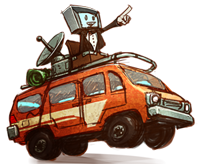
Sure the cover arts weird. But the book is like 130 pages and ranks 6.5 on our system. Our maximuim score maxs at 5.7. Meaning the highest we can read is 5.7 and up. And the lowest we can get is 3.2 meaning we read like 3.2-6.0
And it has pictures inside too.
This is the very start of the book, with all the events leading up to it. It's really odd, but is pulled off excellently.
I just finished this book:
Sure the cover arts weird. But the book is like 130 pages and ranks 6.5 on our system. Our maximuim score maxs at 5.7. Meaning the highest we can read is 5.7 and up. And the lowest we can get is 3.2 meaning we read like 3.2-6.0
And it has pictures inside too.
Originally posted by Chapter 1
The very last words young Fergal McNally heard in his life were: "Don't lean out of that window!" The very last sounds were probably the air whistling past his sticky-out ears as he fell the fourteen stories, the honk of traffic horns below (getting nearer and nearer, of course), and -- possibly -- the "SP" of the "SPLAT!" he himself made as he hit the pavement. Fergal certainly wouldn't have heard more than the "SP," though, because by the time the "LAT!" part had followed, he would have been well and truly dead.
The person who'd shouted the "don't lean out" warning, good and loud (but far too late), was Fergal's older sister, Jackie. Jackie really was an older older sister. Some people (twins, usually) have older sisters just minutes older than them. Lots of people have older sisters a good few years older than them, but Fergal's sister Jackie was old enough to be his mother, which was kind of handy, because he didn't have a real mother. It had been down to Jackie to bring up the rest of them. You know: feed them, clothe them, stop them from falling out of windows . . . that kind of thing.
Of course, their father could have brought them up, but he was a useless dad. He even went so far as to get a note from his doctor saying that he was "excused parenting" and left everything for poor old Jackie to do. He kept himself busy by collecting empty bottles. They were full when he first got them but were certainly empty by the time he'd finished with them. He very rarely spoke to anyone except that man in the bottle shop and to shout at Jackie to tell her how useless she was at everything.
He would hide in what he called "the back room," though it was more to the side than the back if you counted the front bit of the apartment as being the part that faced the road. He even had his meals in the back room, whilst Jackie fed her brothers and sister (once a day) around a big circular table in the kitchen.
Rufus McNally -- that was their father's name -- often liked to add to his empty-bottle collection during mealtimes and would attract Jackie's attention, to bring him another full one, by throwing something at the wall dividing the back room (which was really a side room) from the kitchen. Sometimes it'd be a bottle he'd just emptied. Sometimes it might be a boot. Once he picked up the cat, but Smoky was no fool and, with a few swift strokes of the paw and claw, made it absolutely clear to Captain Rufus that she was by no means a cat of the throwing-across-the-room variety.
You see, Smoky was a working cat, not a pet. She let the McNally children stroke her, and she let them love her, but they didn't feed her. (It's not that they were mean; it's just that there was barely enough food for themselves without feeding a cat as well.) Smoky ate the mice and rats that were unwise enough to stop scuttling behind the baseboard and make a break across an open floor.
Once Fergal's dad Rufus threw his own wooden leg at the wall to attract Jackie's attention. He'd looked around for something else to throw but couldn't find anything that wasn't furry and purry, so he'd unscrewed his leg and chucked it with such force that it not only cracked the plaster in the wall but also split the leg itself, right along the grain. Thereafter, it always looked like an overripe fruit with a burst skin.
In the days before any of the children (apart from Jackie) had been born, Rufus McNally had been not only a brilliant sailor but also a war hero. He'd been a happy smiling fellow whom -- which is simply a who with an m on the end -- everyone had been proud to know. He'd been awarded more gold medals for bravery than he had clean shirts to pin the medals on -- and then he'd lost his leg.
He didn't lose his leg in the way that people lose umbrellas at busy train stations. No, Captain Rufus McNally lost his leg in such a way that he couldn't simply go to the lost and found and collect it. He didn't lose his leg in an explosion, and he'd been in many of those. He didn't lose it when he was clinging to wreckage in shark- infested waters, and he'd found himself in that predicament on more than one occasion. He lost his leg on the fourth occasion he found himself in a sinking ship. On the previous three occasions he'd done heroic deeds to save others trapped as their vessels went down. On this final occasion it was he who was trapped. His ship had been torpedoed by an enemy submarine and was sinking fast, but he was going nowhere because his leg was caught under a mass of twisted metal.
So Captain Rufus McNally did a very brave thing. As the water poured into the cabin where he was trapped, knowing that if he couldn't free himself he would definitely die, he decided to cut off his own leg. Sorry, but there you are. I'd love to say that the solution was to skip happily with fluffy bunnies with nice music in the background, but this was war. And war is a 'orrible thing. If you don't want to know the details, look away until I tell you that it's safe to carry on reading.
Rufus grabbed a razor-sharp piece of twisted metal (that had once been part of a door frame to the boiler room, if you must know) and cut through his leg -- and yes, he did have to hack through his own bone -- as the rising water around him reddened with his own blood. At the end of it, he fainted but he floated free and was rescued by some of his own men who'd made it to a lifeboat. They stemmed the bleeding -- people never stop the bleeding in war stories, they always "stem" it -- and, fortunately for Rufus, help was close at hand and he survived.
The downside was that he was a changed man. What Rufus McNally went through was unbelievably dreadful -- I'd be a liar to tell you otherwise -- but other people have been through even worse and somehow come out the other side as decent human beings. Rufus McNally, however, became bitter, sick, and twisted -- in that order (he'd tried twisted, bitter, and sick, but it didn't suit) -- and it was then that he started to d-r-i-n-
Oh, hang on. I almost forgot:
IT'S OKAY TO START READING AGAIN,
YOU SQUEAMISH ONES.
The person who'd shouted the "don't lean out" warning, good and loud (but far too late), was Fergal's older sister, Jackie. Jackie really was an older older sister. Some people (twins, usually) have older sisters just minutes older than them. Lots of people have older sisters a good few years older than them, but Fergal's sister Jackie was old enough to be his mother, which was kind of handy, because he didn't have a real mother. It had been down to Jackie to bring up the rest of them. You know: feed them, clothe them, stop them from falling out of windows . . . that kind of thing.
Of course, their father could have brought them up, but he was a useless dad. He even went so far as to get a note from his doctor saying that he was "excused parenting" and left everything for poor old Jackie to do. He kept himself busy by collecting empty bottles. They were full when he first got them but were certainly empty by the time he'd finished with them. He very rarely spoke to anyone except that man in the bottle shop and to shout at Jackie to tell her how useless she was at everything.
He would hide in what he called "the back room," though it was more to the side than the back if you counted the front bit of the apartment as being the part that faced the road. He even had his meals in the back room, whilst Jackie fed her brothers and sister (once a day) around a big circular table in the kitchen.
Rufus McNally -- that was their father's name -- often liked to add to his empty-bottle collection during mealtimes and would attract Jackie's attention, to bring him another full one, by throwing something at the wall dividing the back room (which was really a side room) from the kitchen. Sometimes it'd be a bottle he'd just emptied. Sometimes it might be a boot. Once he picked up the cat, but Smoky was no fool and, with a few swift strokes of the paw and claw, made it absolutely clear to Captain Rufus that she was by no means a cat of the throwing-across-the-room variety.
You see, Smoky was a working cat, not a pet. She let the McNally children stroke her, and she let them love her, but they didn't feed her. (It's not that they were mean; it's just that there was barely enough food for themselves without feeding a cat as well.) Smoky ate the mice and rats that were unwise enough to stop scuttling behind the baseboard and make a break across an open floor.
Once Fergal's dad Rufus threw his own wooden leg at the wall to attract Jackie's attention. He'd looked around for something else to throw but couldn't find anything that wasn't furry and purry, so he'd unscrewed his leg and chucked it with such force that it not only cracked the plaster in the wall but also split the leg itself, right along the grain. Thereafter, it always looked like an overripe fruit with a burst skin.
In the days before any of the children (apart from Jackie) had been born, Rufus McNally had been not only a brilliant sailor but also a war hero. He'd been a happy smiling fellow whom -- which is simply a who with an m on the end -- everyone had been proud to know. He'd been awarded more gold medals for bravery than he had clean shirts to pin the medals on -- and then he'd lost his leg.
He didn't lose his leg in the way that people lose umbrellas at busy train stations. No, Captain Rufus McNally lost his leg in such a way that he couldn't simply go to the lost and found and collect it. He didn't lose his leg in an explosion, and he'd been in many of those. He didn't lose it when he was clinging to wreckage in shark- infested waters, and he'd found himself in that predicament on more than one occasion. He lost his leg on the fourth occasion he found himself in a sinking ship. On the previous three occasions he'd done heroic deeds to save others trapped as their vessels went down. On this final occasion it was he who was trapped. His ship had been torpedoed by an enemy submarine and was sinking fast, but he was going nowhere because his leg was caught under a mass of twisted metal.
So Captain Rufus McNally did a very brave thing. As the water poured into the cabin where he was trapped, knowing that if he couldn't free himself he would definitely die, he decided to cut off his own leg. Sorry, but there you are. I'd love to say that the solution was to skip happily with fluffy bunnies with nice music in the background, but this was war. And war is a 'orrible thing. If you don't want to know the details, look away until I tell you that it's safe to carry on reading.
Rufus grabbed a razor-sharp piece of twisted metal (that had once been part of a door frame to the boiler room, if you must know) and cut through his leg -- and yes, he did have to hack through his own bone -- as the rising water around him reddened with his own blood. At the end of it, he fainted but he floated free and was rescued by some of his own men who'd made it to a lifeboat. They stemmed the bleeding -- people never stop the bleeding in war stories, they always "stem" it -- and, fortunately for Rufus, help was close at hand and he survived.
The downside was that he was a changed man. What Rufus McNally went through was unbelievably dreadful -- I'd be a liar to tell you otherwise -- but other people have been through even worse and somehow come out the other side as decent human beings. Rufus McNally, however, became bitter, sick, and twisted -- in that order (he'd tried twisted, bitter, and sick, but it didn't suit) -- and it was then that he started to d-r-i-n-
Oh, hang on. I almost forgot:
IT'S OKAY TO START READING AGAIN,
YOU SQUEAMISH ONES.
Comment